

The Truth Behind the Top 4 Fad Diets Trending on Social Media
- April 26, 2024
- 2 Comments
Social media is a breeding ground for the latest diet trends, often promising quick fixes and miraculous results. But when it comes to our health, it’s crucial to separate fact from fiction. Let’s take a closer look into the top 4 fad diets that are trending on social media right now —Oatzempic, Ricezempic, the Lemon & Coffee Diet, and the Carnivore Diet—and explore why these “miracle” solutions might not be all they’re cracked up to be.
The Truth Behind the Top 4 Fad Diets Trending on Social Media

1. Oatzempic: The Oatmeal Craze
Oatzempic is a diet trend that’s been gaining traction, named after the popular weight loss medication, Ozempic. Oatzempic is a drink made with the following ingredients:
- ½ cup of oats
- 1 cup of water
- Fresh squeezed juice from half of a lime
According to TikTok, the trend involves drinking Oatzempic first thing in the morning on an empty stomach. Users claim it can help you lose up to 40 pounds in two months. But is there any truth to this claim?
The Facts: Oats are indeed a great source of fiber, particularly beta-glucan, which can help you feel full longer and may contribute to better blood sugar control. However, the comparison to Ozempic is misleading. While oats are a nutritious choice that can support weight loss when included in a balanced diet, this Oatzempic is not a magical solution for sustainable weight loss. Keep in mind that most people are using Oatzempic as a meal replacement for breakfast which happens to be low in calories, placing these individuals in a caloric deficit resulting in weight loss.
The Reality: Incorporating oats into your diet can be part of a healthy eating pattern but expecting it to deliver weight loss results similar to Ozempic is unrealistic. Sustainable weight loss comes from a combination of balanced nutrition, regular physical activity, and long-term lifestyle changes.
2. Ricezempic: The Rice Water Myth
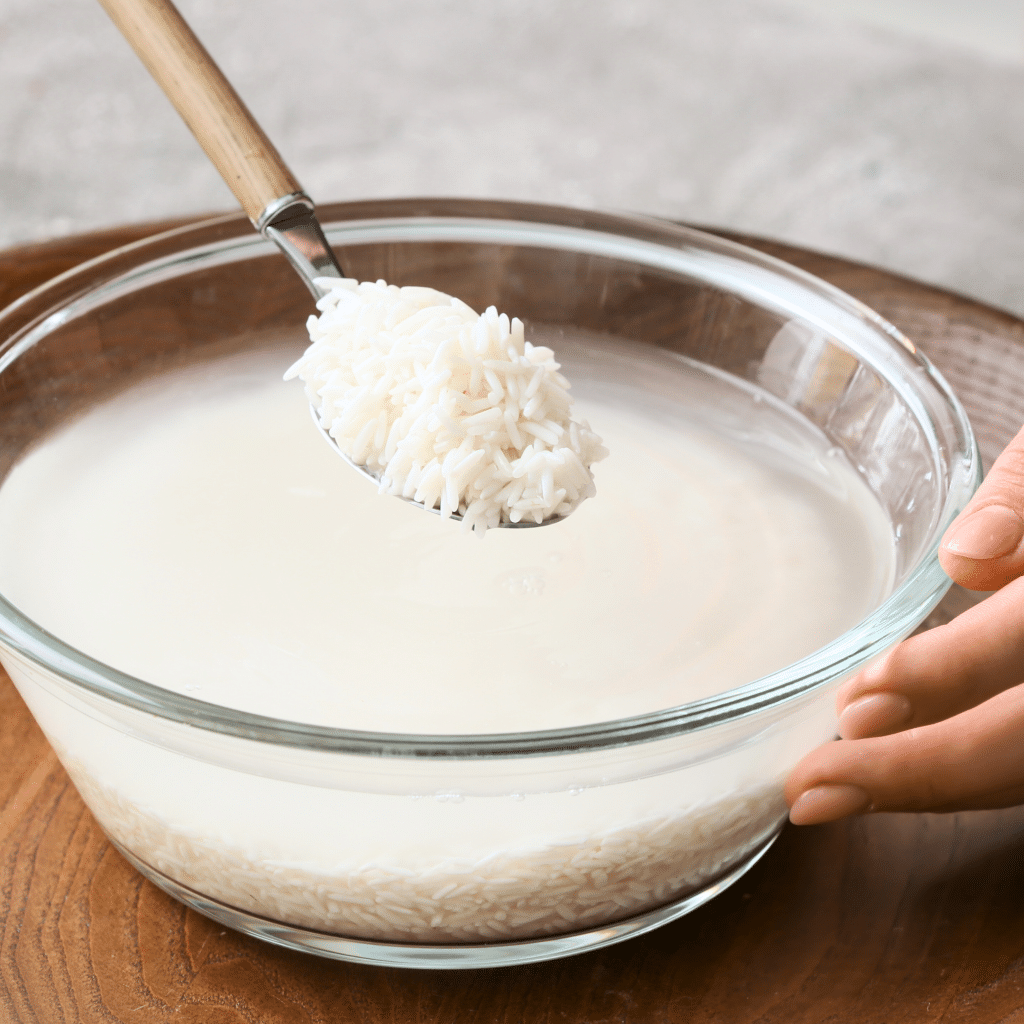
Ricezempic is another diet trend making waves on social media. It involves soaking unwashed rice in hot water, discarding the rice, and drinking the remaining water with a splash of lime juice. This concoction is supposed to curb your appetite and melt away fat. But does it really work?
The Facts: This claim is highly unlikely and not backed by research. Rice water might contain some prebiotic fibers like resistant starch, which could potentially help you feel fuller. However, the amounts in rice water are not significant enough to support a weight loss claim. More likely, individuals following this trend are in a calorie deficit, which is causing the weight loss, not the rice water itself.
The Risks: There’s another reason to be cautious. Rice is known to accumulate arsenic. To reduce the arsenic content, studies suggest washing and cooking the rice with clean water that is low in arsenic. However, if the cooking water is high in arsenic, it may have the opposite effect and raise the arsenic content significantly, so make sure that you are using clean water that is low in arsenic. Drinking the residual wastewater from unwashed rice could potentially expose you to harmful substances.
The Reality: Quick weight loss trends often lack sustainable practices and can’t be maintained long-term. There’s no magical solution for weight loss—lasting health improvements come from consistent, balanced eating patterns and lifestyle changes. If you’re looking for foods high in resistant starch to help with satiety, consider adding beans, seeds, or nuts to your diet instead.

3. Lemon & Coffee: The Sour Truth
The Lemon & Coffee Diet is a trend that’s buzzing across social media, promising that adding lemon juice to your morning coffee will help you burn fat faster. But is there any science to back this up?
The Facts: Both lemon and coffee contain some antioxidants, but neither has any special fat-burning properties. However, coffee contains caffeine that may help increase metabolic rate and help your body burn a few extra calories for energy, but these effects may vary from person to person based on individual characteristics such as body weight, age, and current health conditions.
The Reality: The only way to lose fat is by creating a calorie deficit, either by consuming fewer calories or burning more through physical activity. While staying hydrated and enjoying your morning coffee can be part of a healthy routine, they aren’t going to melt away fat on their own. Instead, focus on balanced meals, regular exercise, and staying hydrated for overall health.
4. Carnivore Diet: Meat Overload
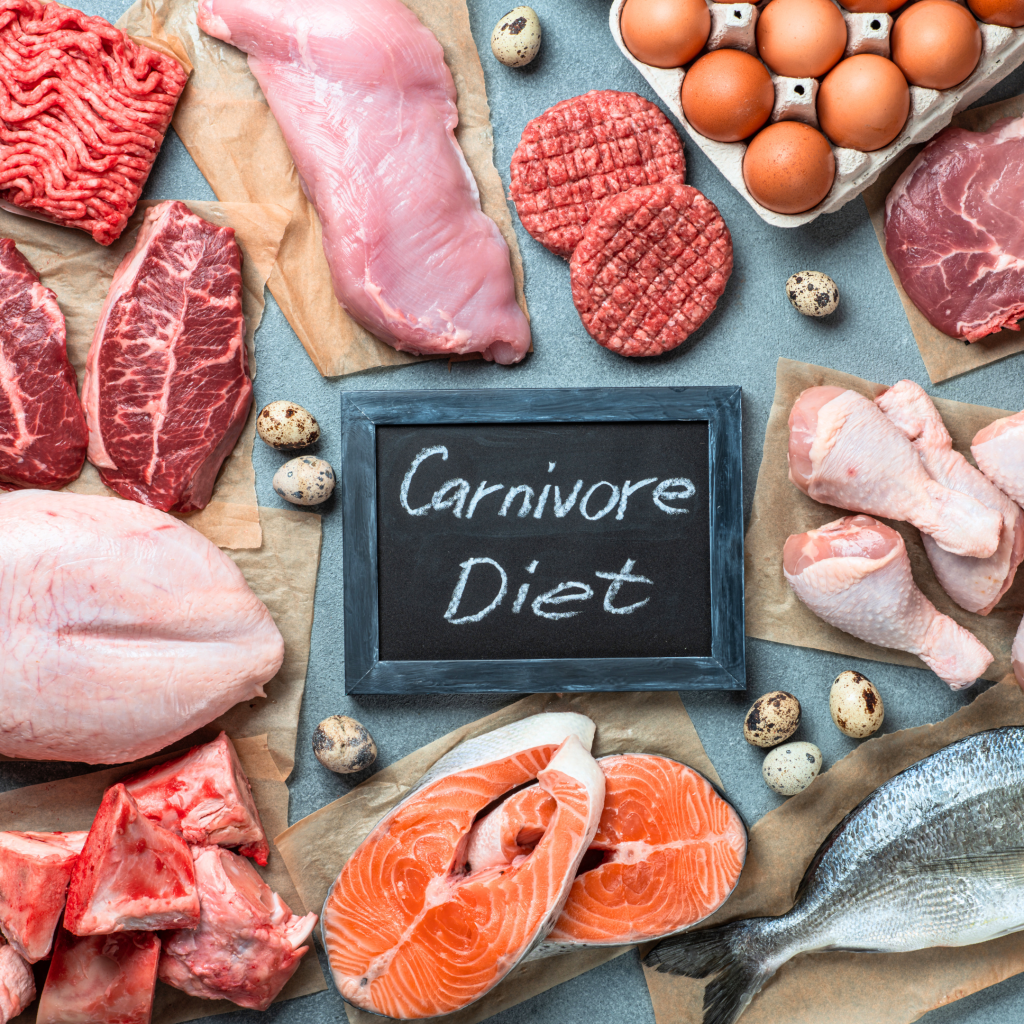
The Carnivore Diet, also known as the All-Meat Diet, is exactly what it sounds like—eating only animal products like meat, eggs, and a little dairy while completely eliminating vegetables, fruits, grains, and other plant-based foods. This diet promises weight loss and improved health, but at what cost?
The Facts: The Carnivore Diet is highly restrictive, which makes it difficult to maintain long-term. By eliminating entire food groups, you risk nutrient deficiencies, particularly in fiber, vitamins, and antioxidants found in plant-based foods. Additionally, consuming large amounts of saturated fat from animal products can raise bad cholesterol levels, increasing the risk of heart disease and stroke.
The Reality: While the Carnivore Diet may lead to short-term weight loss due to its restrictive nature, it’s not a sustainable or balanced approach to eating. Long-term health benefits are more likely to come from a diet that includes a variety of food groups, providing a range of essential nutrients your body needs to function optimally.
The Bottom Line on Fad Diets
Fad diets come and go, often making bold claims without much scientific backing. While they might offer short-term results, they rarely provide a sustainable path to long-term health and wellness. Instead of jumping on the latest diet trend, focus on creating a balanced eating pattern that includes a variety of foods, regular physical activity, and healthy lifestyle habits. Remember, there’s no quick fix when it comes to health—lasting change takes time and consistency.
References:
- Tsai, A. G., & Wadden, T. A. (2006). The evolution of very-low-calorie diets: An update and meta-analysis. *American Journal of Clinical Nutrition, 83*(2), 219–225. https://doi.org/10.1093/ajcn/83.2.219
- Ebrahim, S., & Davey Smith, G. (2016). Should we use causal criteria to assess the evidence from Mendelian randomization? *BMJ, 355*, i5796. https://doi.org/10.1136/bmj.i5796
- Hall, K. D., Bemis, T., Brychta, R., Chen, K. Y., Courville, A., Crayner, E. J., … & Patel, A. (2015). Calorie labeling and food choices: A first look at the effects on real world eating behaviors. *American Journal of Public Health, 105*(3), e112–e119. https://doi.org/10.2105/AJPH.2014.302418
- Cho, S. S., Qi, L., Fahey, G. C., & Klurfeld, D. M. (2013). Consumption of cereal fiber, mixtures of whole grains and bran, and whole grains and risk reduction in cardiovascular disease, type 2 diabetes, and mortality: A meta-analysis of prospective cohort studies. *American Journal of Clinical Nutrition, 98*(3), 594–605. https://doi.org/10.3945/ajcn.113.067629
Did you make this?
I’d love to know! Please let me know by leaving a review below. Or snap a photo and share it on Instagram; be sure to tag me @beautifuleatsandthings

Very informative, thank you for this info!
Of course! Thanks for stopping by!