

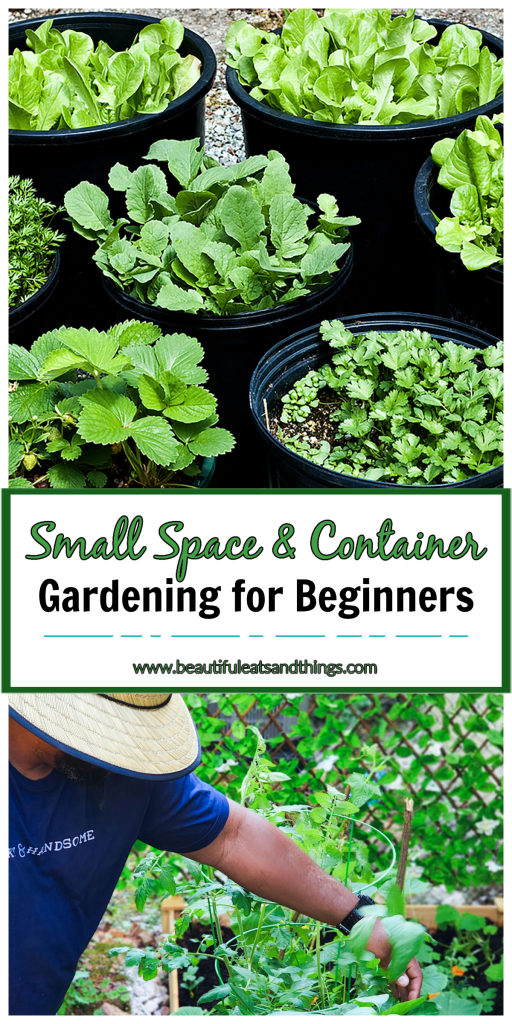
Small Space & Container Gardening for Beginners
- July 10, 2024
- 2 Comments
Gardening can be a fulfilling and cost-effective way to provide fresh produce for your family, but what if you have limited space in your backyard? Don’t let that stop you! With a little creativity and some strategic planning, you can create a bountiful garden even in a small space.
Small Space & Container Gardening for Beginners

As someone fairly new to gardening, I’ve discovered some valuable tips and tricks that can help you get started and succeed. Let me share my journey and some practical advice on how to make the most of your small backyard garden.
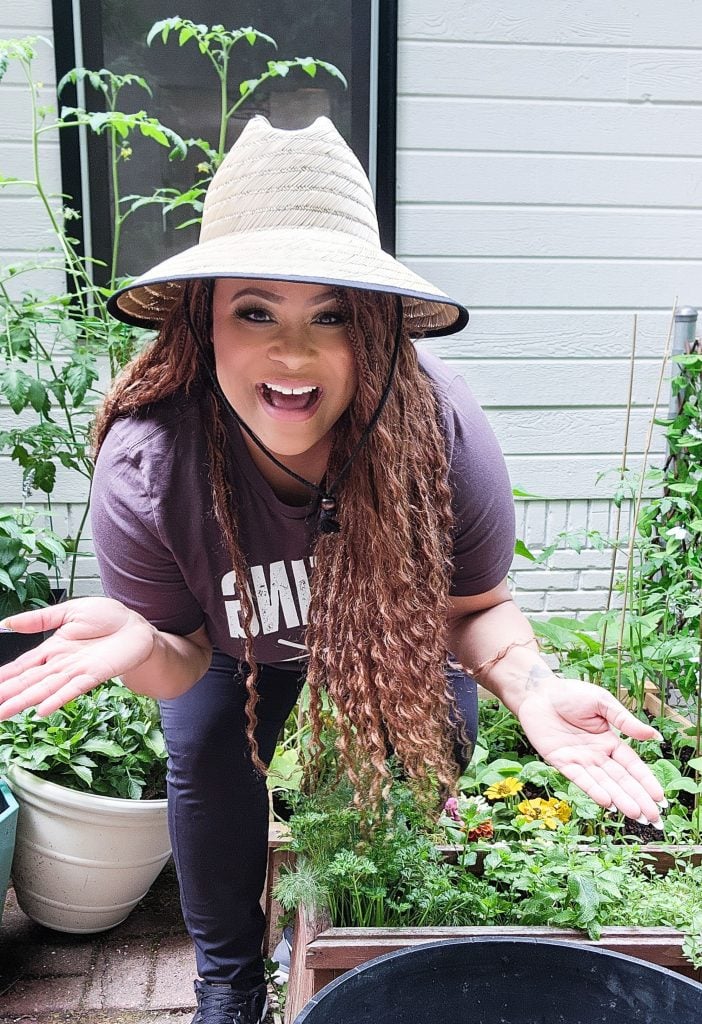
When I first considered starting a garden, I was motivated by three main goals: reducing my grocery bill, incorporating more sustainable practices into our daily lives, and teaching my kids where food comes from. It seemed like a daunting task at first, especially with limited space in my backyard. However, I soon learned that with the right techniques and a bit of dedication, it was possible to create a thriving garden in a small area.

Small Space & Container Gardening for Beginners
Starting a Garden with Limited Space
One of the best ways to maximize a small gardening space is to use containers and raised beds. These options offer flexibility and control over the growing environment, making them perfect for beginners and those with limited space.
- Containers: Containers are versatile and can be placed anywhere – on patios, balconies, or even hanging from walls. They are ideal for growing herbs, tomatoes, peppers, and even some types of leafy greens. The key is to choose the right size container for the plant you want to grow and ensure it has proper drainage.
- Choose the Right Containers:
- Size Matters: Select containers that are large enough to accommodate the root system of the plants you want to grow. For example, tomatoes need deeper pots, while herbs can thrive in smaller ones.
- Material: Containers come in various materials, including plastic, terracotta, and ceramic. Each has its pros and cons, but ensure they have drainage holes to prevent waterlogging.
- Choose the Right Containers:
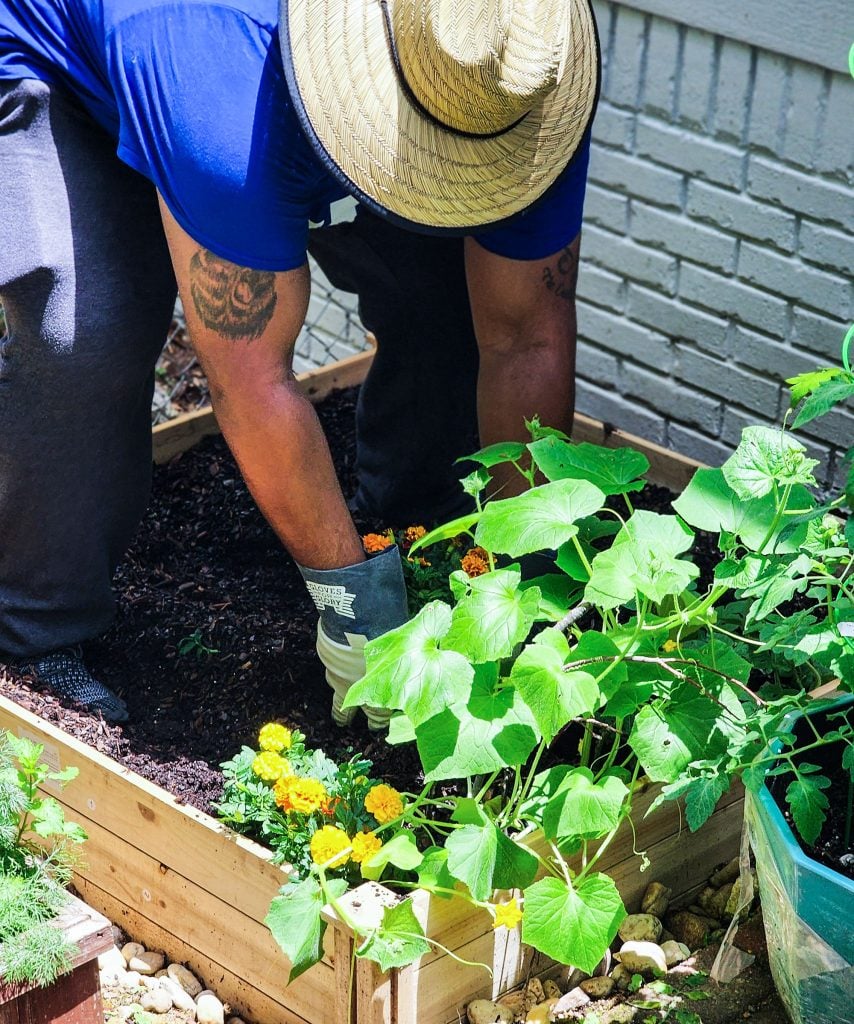
- Raised Beds: Raised beds allow you to create defined garden areas that are easier to manage. They can be built to any size and height, which is great for small spaces. Raised beds also provide better soil quality and drainage, leading to healthier plants.
- Setting Up Raised Beds
- Location and Size: Choose a sunny spot with at least 6-8 hours of sunlight per day. The size of the raised bed depends on your space, but a common size is 4 feet by 4 feet, which allows easy access to all sides.
- Building the Bed: Raised beds can be constructed from wood, metal, or stone. Ensure the bed is at least 6-12 inches deep to allow roots to grow properly.
- Setting Up Raised Beds
- Select Suitable Plants:
- When it comes to small space gardening in containers and raised beds, selecting the right plants is crucial for success. For containers, herbs like basil, parsley, thyme, mint, and cilantro are ideal, along with compact vegetables such as cherry tomatoes, lettuce, spinach, radishes, and peppers. Flowers like marigolds, petunias, and pansies can also add vibrant color to your garden.
- In raised beds, consider growing root vegetables like carrots and beets, bush beans, zucchini, and leafy greens such as kale and chard. Companion plants, like marigolds or nasturtiums, can help deter pests and promote healthy growth.
- Proper Drainage:
- Proper drainage is essential for both containers and raised beds to prevent waterlogging and root rot. Ensure that containers have drainage holes and place a layer of gravel or small stones at the bottom to facilitate drainage. Use a well-draining potting mix that includes components like peat moss, perlite, or vermiculite.
- For raised beds, a high-quality mix of garden soil, compost, and peat moss or coco coir can provide good drainage. Make sure the raised bed is elevated enough to allow excess water to escape.
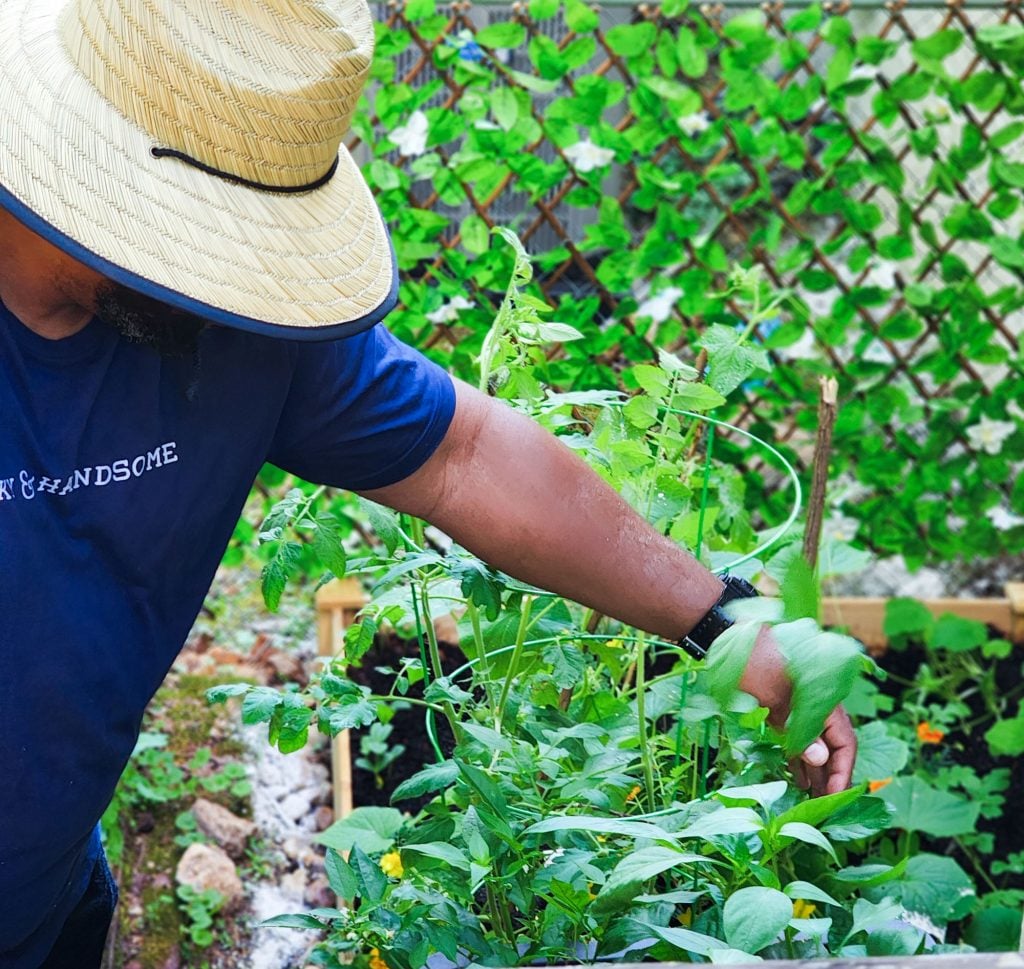
- Watering:
- Watering practices differ slightly between containers and raised beds due to their varying drying rates. Containers dry out more quickly, so it’s important to check soil moisture daily and water as needed. Water the soil directly rather than the leaves to reduce the risk of mold and mildew.
- In raised beds, water deeply to encourage strong root development, and mulch the soil surface to retain moisture and reduce evaporation. Morning watering is recommended to allow foliage to dry during the day, preventing disease.
- Fertilizing:
- Fertilizing is key to maintaining nutrient levels in small space gardens. For containers, use a balanced, water-soluble fertilizer every 2-4 weeks, or opt for organic options like compost tea or fish emulsion. Monitor plants for signs of nutrient deficiency and adjust feeding accordingly.
- In raised beds, mix compost or well-rotted manure into the soil before planting and apply a balanced granular fertilizer every 4-6 weeks during the growing season. Side-dressing with compost or organic fertilizers around the base of plants as they grow can also help sustain their nutritional needs. By following these practices, you can ensure a healthy and productive small space garden.
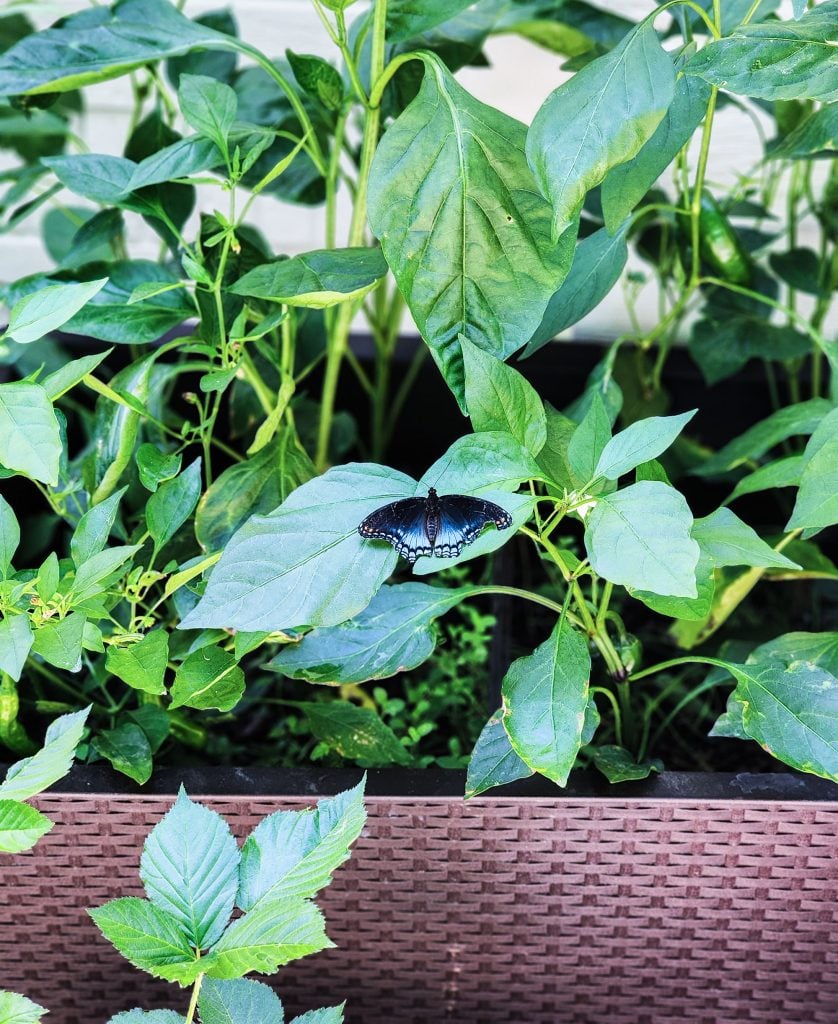
Essential Gardening Tips for Success
Through my gardening journey, I’ve learned several tips that have been crucial to my success. Here are some of the most important ones:
1. Companion Planting: This method involves planting different crops close to each other to benefit one or both. For example, planting basil near tomatoes can help deter pests like aphids. Marigolds are also great companions for many vegetables as they repel nematodes and other pests.
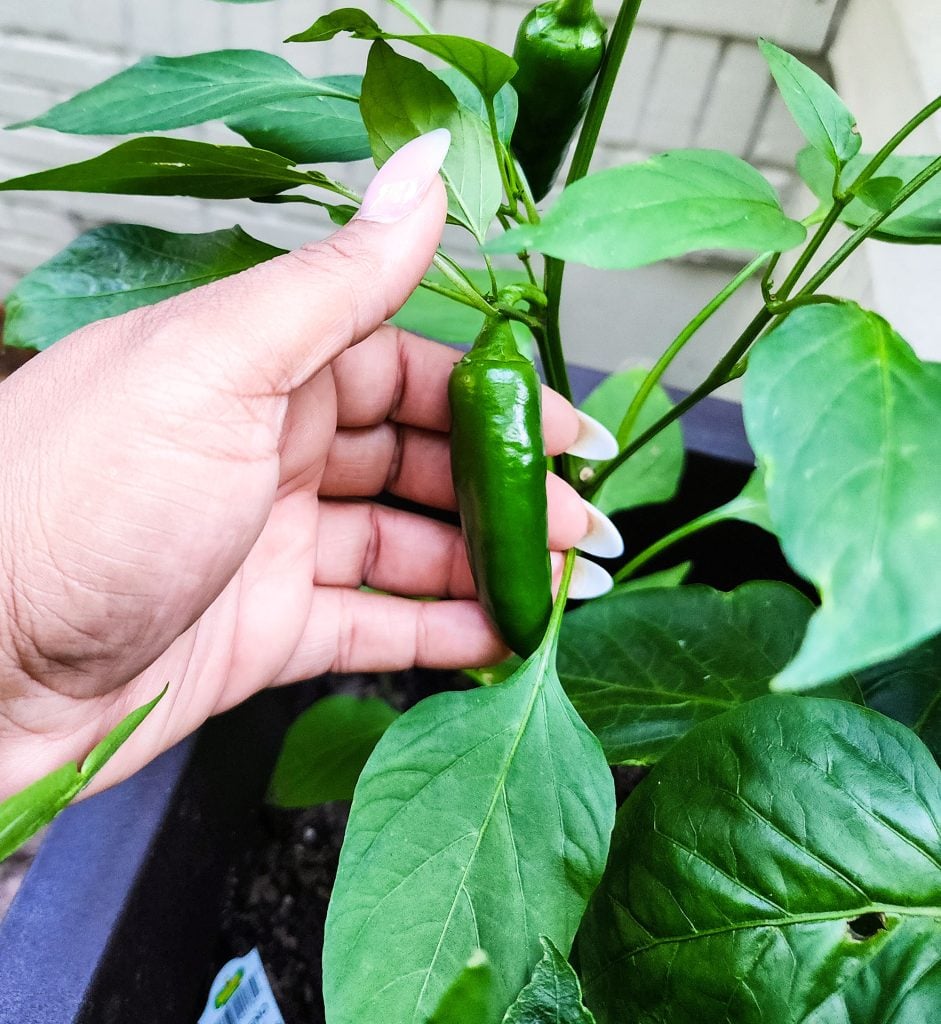
2. Harvesting Regularly: Regular harvesting encourages plants to produce more. For example, picking herbs frequently will promote more growth and prevent them from becoming woody.
3. Proper Spacing: Giving plants the proper amount of space is crucial. Overcrowding can lead to competition for nutrients and water, resulting in weaker plants. Follow the spacing recommendations on seed packets or plant tags to ensure your plants have enough room to thrive.
4. Enjoy the Process: Gardening should be enjoyable, so take time to relax and appreciate your growing plants. Involve family members, especially kids, to make it a fun and educational experience.
Small Space & Container Gardening for Beginners

Starting a small space garden using containers, pots, and raised beds is a fantastic way to enjoy the benefits of gardening, even with limited space. With a bit of planning and care, you can grow a variety of plants and enjoy fresh, home-grown produce right at your doorstep. Happy gardening!
Did you make this?
I’d love to know! Please let me know by leaving a review below. Or snap a photo and share it on Instagram; be sure to tag me @beautifuleatsandthings

I used large black plastic tubs this year. They are in an area surrounded by crushed rock. I’m wondering if that created an issue due to the fact the soil might have gotten too hot. My plants all came up. I had squash and cucumber vines growing on the trellis I placed next to these tubs. However, once the fruit reached about a softball size…or in the case of cucumbers small pickle size the vines died almost overnight. I never got a harvest. I saw a social media site that recommended growing vine type crops this way and using the trellis. However, I got nothing from these pots. Any suggestions?
It’s definitely possible that the black tubs and surrounding rock caused the soil and roots to get too hot, especially during the hottest part of summer. Squash and cucumbers also need consistent moisture, and containers can dry out very quickly, which can stress the plants once they begin producing fruit. I’d try lighter-colored containers or provide some afternoon shade for the tubs, make sure they have excellent drainage, and check the soil moisture frequently. I’d also keep an eye out for pests or signs of disease, since vines dying almost overnight could indicate something beyond heat stress. I hope this helps!