

The Hidden Dangers of Fatphobia: What The Biggest Loser Got Wrong About Health
- August 21, 2025
- 0 Comments
We live in a society that glamorizes thinness and equates it with health, worth, and success. This toxic mindset was especially heightened in the early 2000s, which I like to refer to as the peak of diet culture. This was a time when disordered eating, extreme dieting, and punishing exercise routines were not only normalized, but celebrated.
The Hidden Dangers of Fatphobia: What The Biggest Loser Got Wrong About Health
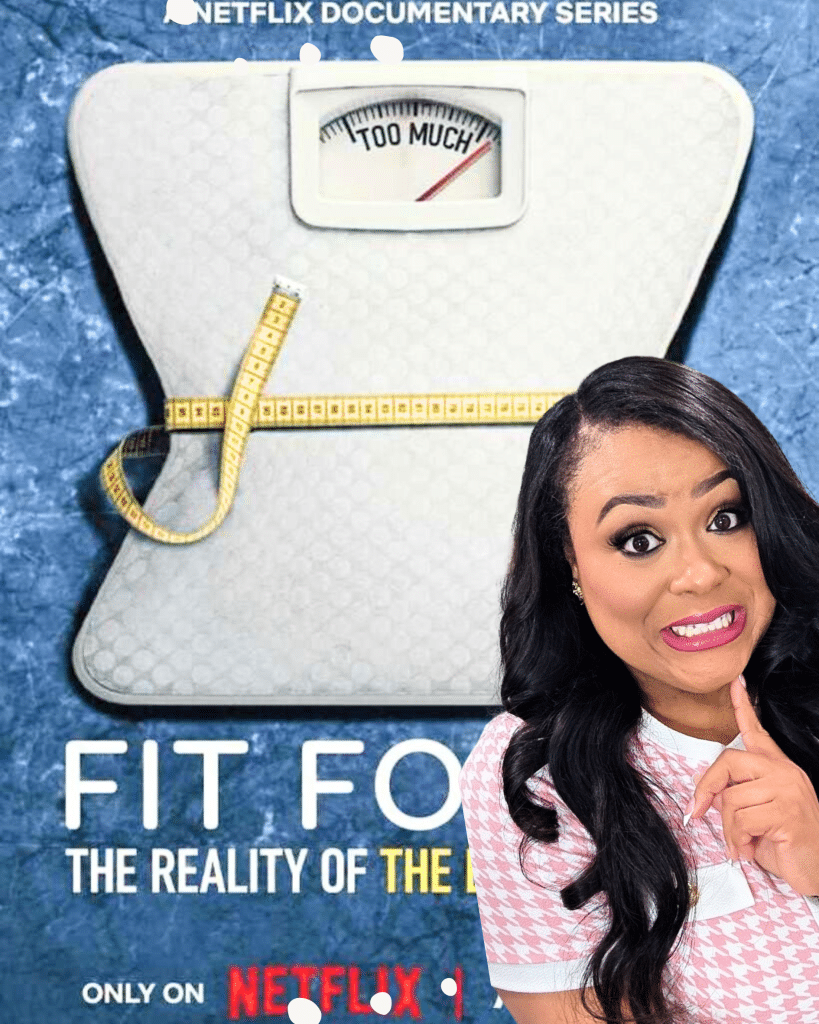
Magazine covers often advertised “miracle” crash diets. Celebrities were praised for dramatic weight loss. “Low-carb,” “fat-free,” and “detox” were literally plastered across every aisle in the grocery store. And if you weren’t striving for thinness, society made you feel like you were failing.
In the midst of all this madness, The Biggest Loser premiered in 2004. On the surface, it looked like just another reality show, but behind the dramatic weigh-ins, the yelling, and the tears was something waaay darker…
What Is Fatphobia?
Before we dive into The Biggest Loser, let’s talk a little bit about fatphobia. Fatphobia is the fear, dislike, or discrimination against people in larger bodies. It can also show up as the fear of fatness itself…the anxiety of becoming fat, which drives many harmful diet culture behaviors. But it goes far beyond personal bias. It’s systemic and deeply ingrained in our culture.
- In healthcare, people in bigger bodies are often denied adequate care. Instead of being treated fairly, they’re told to “just lose weight” regardless of their actual medical concern.
- In the workplace, weight discrimination impacts hiring, promotions, and salaries.
- In everyday life, fatphobia shows up as jokes, stereotypes, unsolicited diet advice, and assumptions about laziness or poor health.
To keep it plain and simple, fatphobia dehumanizes people. It tells us that a person’s body size determines their value, their worth, and their right to dignity.
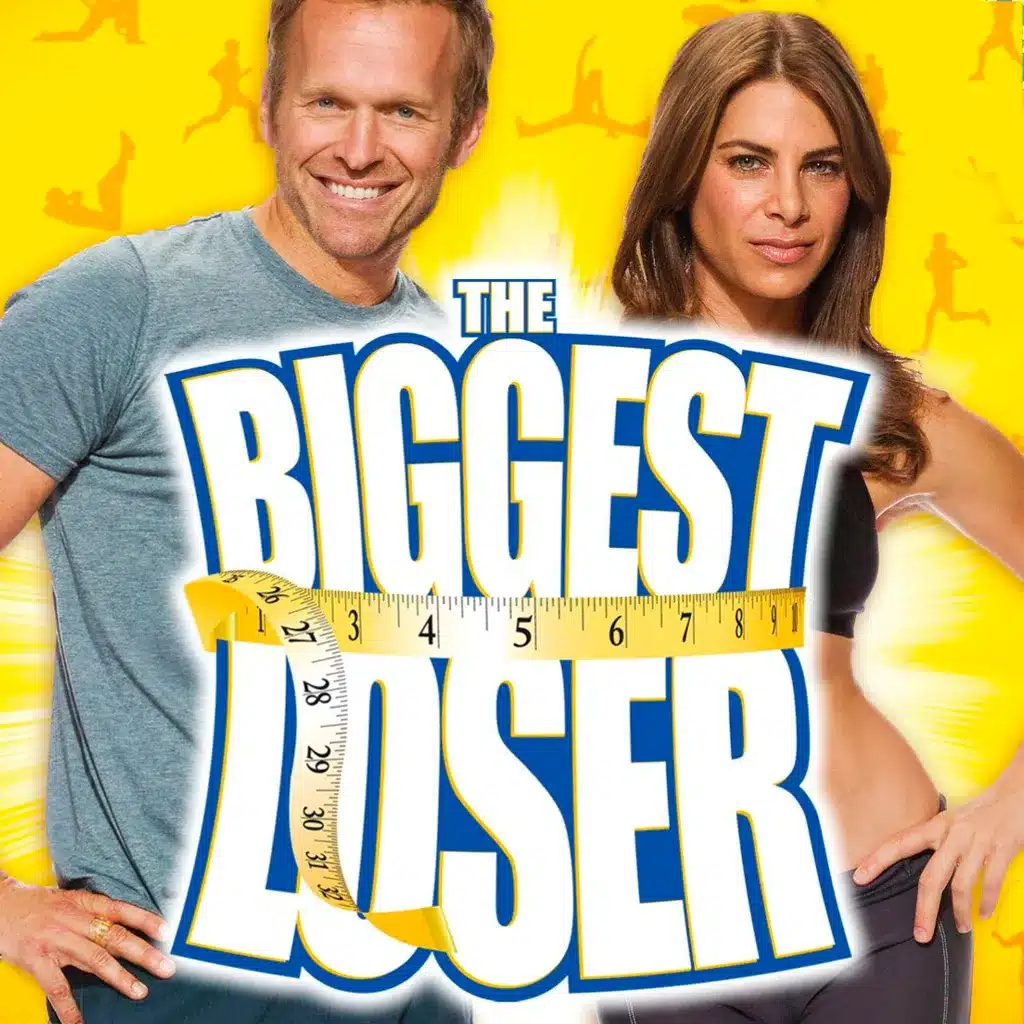
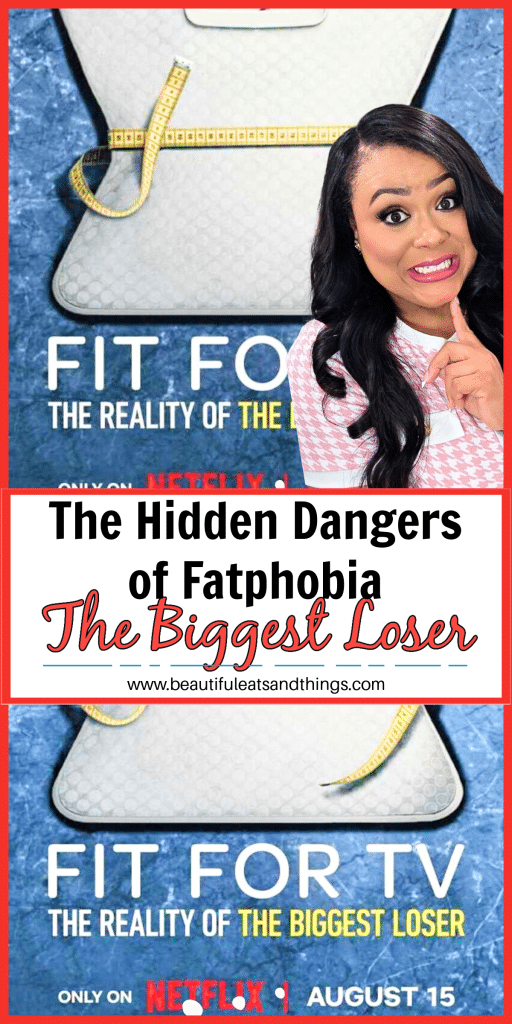
The Biggest Loser and That Disturbing Documentary
The Biggest Loser embodied fatphobia in its most extreme, harmful form. Contestants were placed in dangerous situations under the guise of “health.”
- Extreme calorie restriction: Contestants were advised by medical professionals to eat between 1,500–2,000 calories depending on their needs. But the trainers encouraged them to eat 800 calories, or LESS while making them do very intense workouts that burned approximately 6,000–10,000 calories a day. That’s not health…that’s starvation.
- Bullying and degradation: Contestants were ridiculed, screamed at, and shamed…all for entertainment purposes. The underlying message? That fat people deserved cruelty if it meant they would lose weight.
- Unsafe conditions: Contestants were malnourished, dehydrated, and pushed to physical extremes. One of the contestants even developed rhabdomyolysis (a serious condition where muscle tissue breaks down and damages the kidneys).
- Long-term damage: Many contestants developed disordered eating patterns, eating disorders, and long-term mental health struggles. Most regained the weight they lost because the methods were unsustainable.
What’s worse, the show’s casting process intentionally avoided confident or happy people in larger bodies. They didn’t want “happy fat people.” The producers wanted individuals who were deeply unhappy with themselves…people they could manipulate for ratings.
My Personal Story: How The Biggest Loser Validated My Own Disordered Eating
When The Biggest Loser debuted in 2004, I was already deep in diet culture. I was trying every fad diet I could find, cutting calories, and engaging in unhealthy behaviors to make my body smaller. Watching that show validated everything that I was doing, and it gave me motivation to keep going down that dangerous path.
I thought to myself, “If they can push themselves harder, I should too. If they can restrict more calories, I should too.” That show made me feel like I wasn’t doing enough, that being smaller was the only path to health, worth, and happiness.
Later on, in high school, I lost a significant amount of weight through some very unhealthy methods, and as a result people praised me, congratulated me, and told me how amazing I looked. Little did they know, my mental health was in shambles. My self-worth was gone. I had body dysmorphia and an incredibly damaged relationship with food. But because my body was smaller, society deemed me “healthy,” which was VERY dangerous.
The Flawed Logic of Fatphobia
One of the most disturbing messages behind The Biggest Loser, and fatphobia in general, is the belief that treating fat people poorly will motivate them to lose weight. The world thinks that if we treat fat people with respect, we’re somehow “promoting obesity,” but if we shame them, bully them, or strip away their dignity, they’ll finally “do something about it.”
Does anyone else see anything wrong with that??
Shaming someone has never led to sustainable, healthy changes. What it does lead to is eating disorders, depression, anxiety, isolation, and trauma. Respecting someone’s body, at any size, doesn’t harm them. It affirms their humanity and gives them the space to care for themselves in ways that are compassionate, sustainable, and rooted in self-worth. This is why body positivity is so important!
What Body Positivity Actually Means
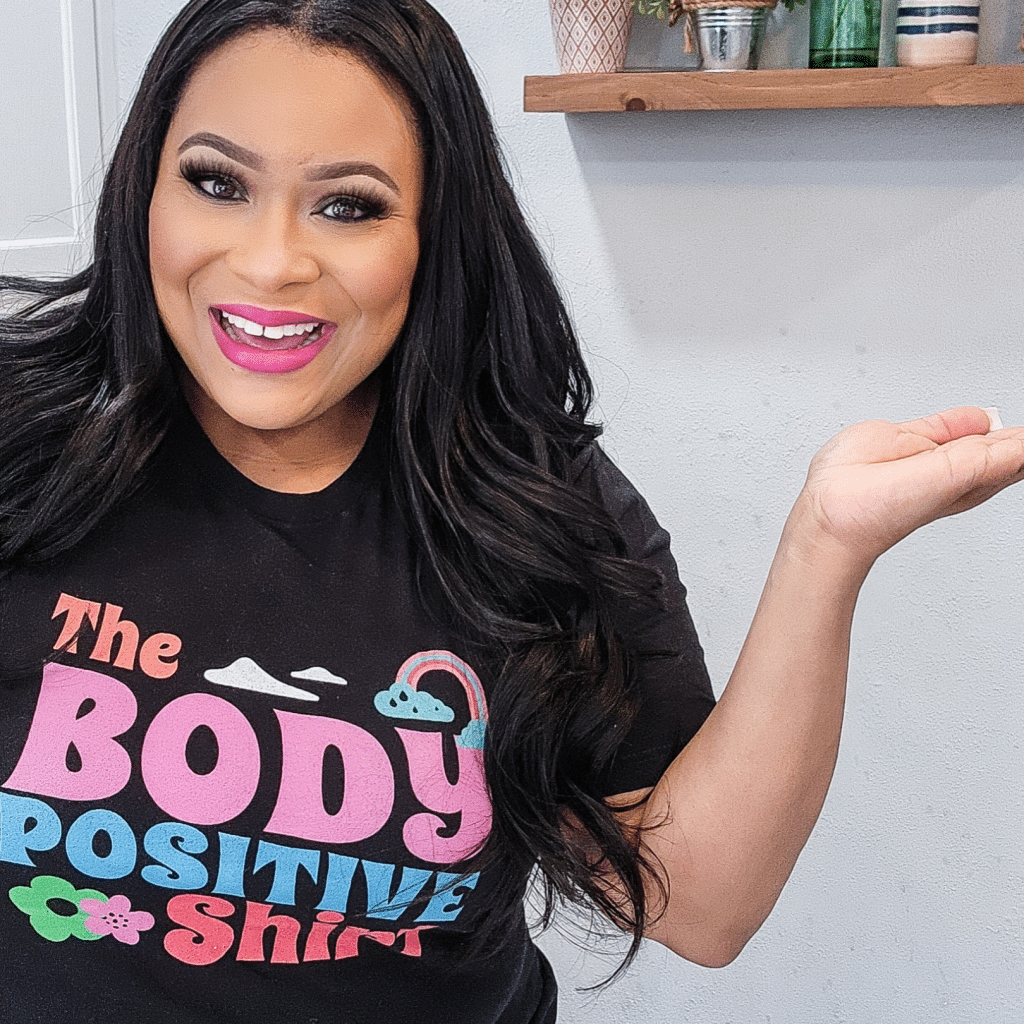
Despite what society tells us, body positivity is NOT about “promoting obesity.” It’s about promoting self-worth, dignity, and respect for ALL bodies.
- It’s about dismantling the idea that only thin bodies are valuable.
- It’s about ensuring people in larger bodies have equitable access to healthcare, jobs, and opportunities.
- It’s about recognizing that your worth is not tied to your BMI or your dress size.
When people truly respect and love themselves, they are MORE likely to care for their bodies. That care may look different for everyone. For some, it may include balanced nutrition, joyful movement, rest, mental health care. But it ALWAYS starts with dignity and self-worth.
Why This STILL Matters Today
It’s been nearly two decades after The Biggest Loser first aired, and fatphobia is STILL alive and well. From healthcare bias to everyday microaggressions, people in larger bodies are still fighting for the basic right to be treated like human beings.
We need to unlearn the toxic lessons of diet culture and begin creating a society where all bodies are worthy of respect. Not because they’ve earned it through weight loss. Not because they’re “trying.” But simply because every human being deserves dignity. Period.
Let’s Do better. Let’s BE better.
Did you make this?
I’d love to know! Please let me know by leaving a review below. Or snap a photo and share it on Instagram; be sure to tag me @beautifuleatsandthings
